Third Polish-German Meeting in Kulice: A Shared Path Toward Social Sustainability in the Cross-Border Region
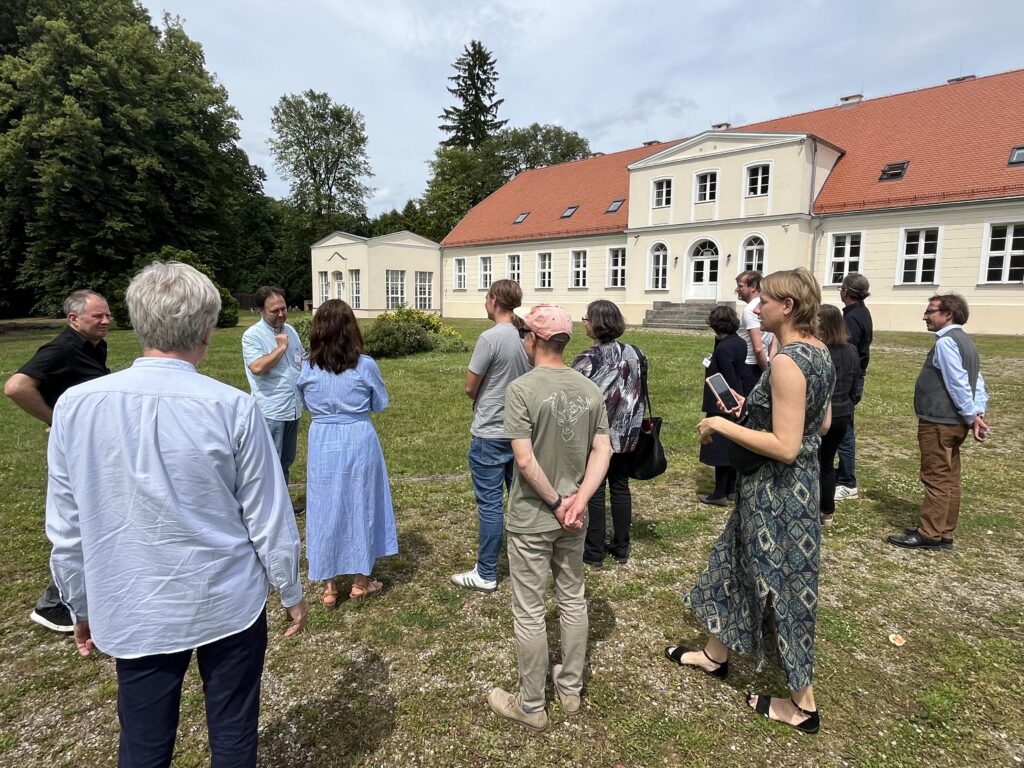
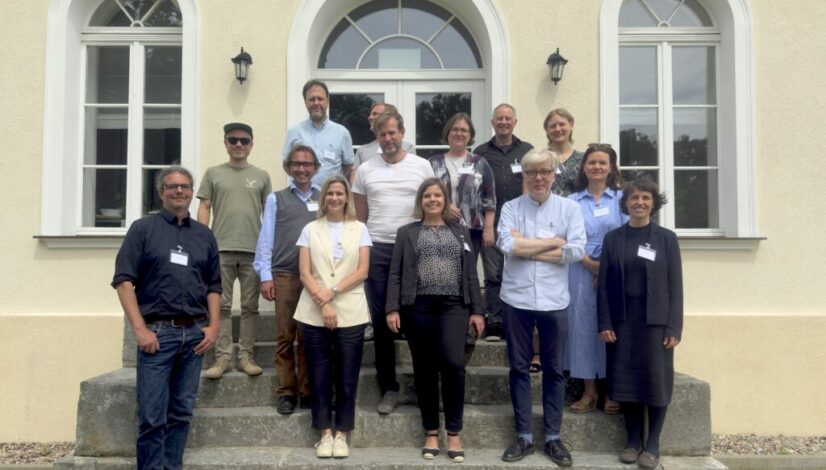
On June 23, 2025, the 3rd Polish-German Meeting titled Towards Social Sustainability in the Polish-German Cross-Border Region: Challenges for Research and Higher Education took place in Kulice, Poland. The event brought together representatives of universities and research institutions from Poland and Germany engaged in the development of the cross-border region, including the University of Szczecin, Universität Greifswald, Hochschule Neubrandenburg, Hochschule Stralsund, and the Eberswalde University for Sustainable Development.
The main objective of the meeting was to identify key areas for socially sustainable development in rural areas on both sides of the border, and to begin work on a joint policy brief — a document intended to provide recommendations for local and regional authorities.
The meeting began with an opening session led by Prof. Dr. Gerd Teschke, Rector of Hochschule Neubrandenburg – University of Applied Sciences, and Prof. Dr. Maciej Kowalewski, Director of the Institute of Sociology and Chairholder of the UNESCO Chair for Social Sustainability at the University of Szczecin. Together, they summarized the progress of previous joint activities and meetings that had taken place in both Poland and Germany. This overview helped to reinforce a shared understanding of goals and highlighted the key challenges facing the cross-border region in terms of social development and sustainable planning.
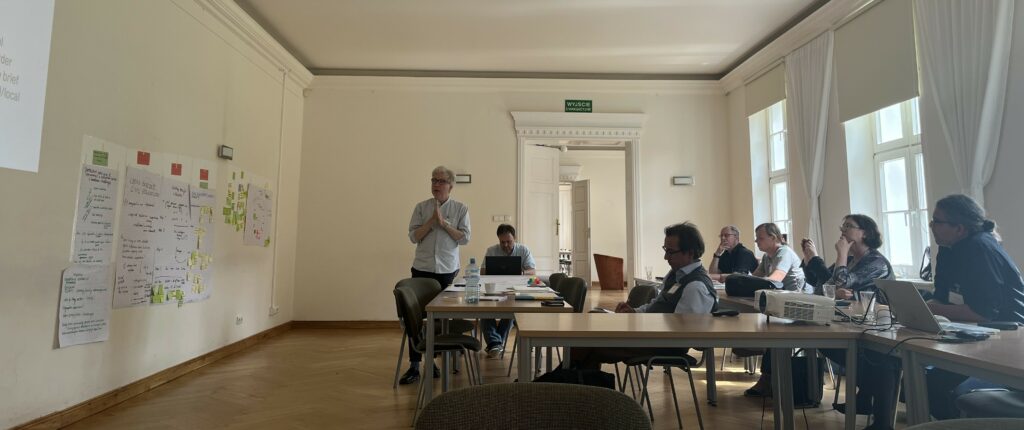
Later in the day, participants took part in a brainstorming session, identifying crucial research topics, existing initiatives, and gaps in current practices. This was followed by work in thematic sub-groups, which provided a valuable opportunity to exchange experiences, good practices, and academic and educational perspectives. Many attendees emphasized the importance of comparing different approaches and solutions implemented across the border region.
The next phase of the meeting focused on stakeholder mapping and identifying potential partners, defining the target groups for the policy brief, and reflecting on the practical changes that such a document might influence.
The meeting concluded with a summary of the group work results, the development of a draft policy brief outline, and a discussion on next steps and deadlines. Further consultations and editorial work on the document are planned. The policy brief is expected to become a meaningful academic contribution to shaping development policies in the region.
The meeting in Kulice not only led to concrete proposals for action but also strengthened the transborder network of cooperation among universities and social partners. It demonstrated that joint initiatives based on knowledge, mutual understanding, and engagement are essential for building sustainable solutions for the future of the cross-border region.